
If lunch in your house feels like a negotiation, you are not alone — and you are definitely not doing anything wrong. Between 13% and 50% of kids go through a picky eating phase, with the highest rates happening between ages two and six, so the empty lunchbox coming home is far more common than it feels in the moment. The good news: with a few small shifts in how you build the lunch, not just what’s in it, you can pack meals picky eaters are actually willing to try.
Quick answer: The lunches picky eaters accept most often are “deconstructed” — familiar foods served in separate compartments instead of mixed together — paired with one small, low-pressure new food alongside two or three “safe” staples. This reduces sensory overwhelm and gives kids a sense of control over what touches what.
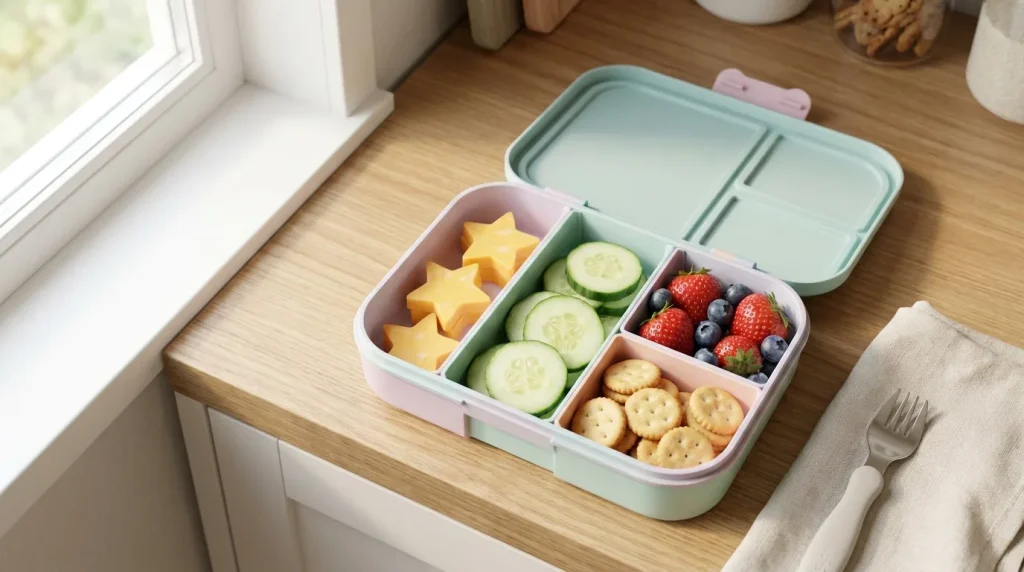
Why Picky Eaters Reject Lunch in the First Place
Before the list, it helps to understand what’s actually going on. Pediatric dietitians point out that picky eating is often driven by a need for control or a genuine sensory reaction to texture, temperature, or how foods touch one another — not defiance. Foods that were fine at 7 a.m. can also change texture by noon (a soggy sandwich, for example), which is enough to get a whole lunch left untouched. [INTERNAL LINK: “why is my toddler suddenly refusing food” — link to a post on toddler feeding phases]
Two ideas from pediatric nutrition research are especially useful for lunch-packing:
- Repeated, low-pressure exposure works. Kids often need to see or touch a new food many times — sometimes 12 to 15 exposures — before they’re willing to taste it, with patience and consistency being the biggest predictors of progress (Just 4 Kids Pediatrics).
- “Food bridges” expand the menu gradually. The American Academy of Pediatrics recommends pairing a new food with something similar in color, flavor, or texture to what your child already likes — for example, moving from pumpkin pie to mashed sweet potato to mashed carrots (HealthyChildren.org).
With those two principles in mind, here are 10 lunch ideas built to work with a picky eater’s instincts, not against them.
1. The DIY Taco Deconstruction Box
Pack seasoned shredded chicken or black beans, a small pile of shredded cheese, a few sturdy tortilla chips or a mini soft tortilla, and a small cup of mild salsa or mashed avocado on the side. Keeping the components separate rather than assembled reduces sensory overwhelm and lets kids build their own bite (I’m the Chef Too).
2. Crunch Box with a Dip
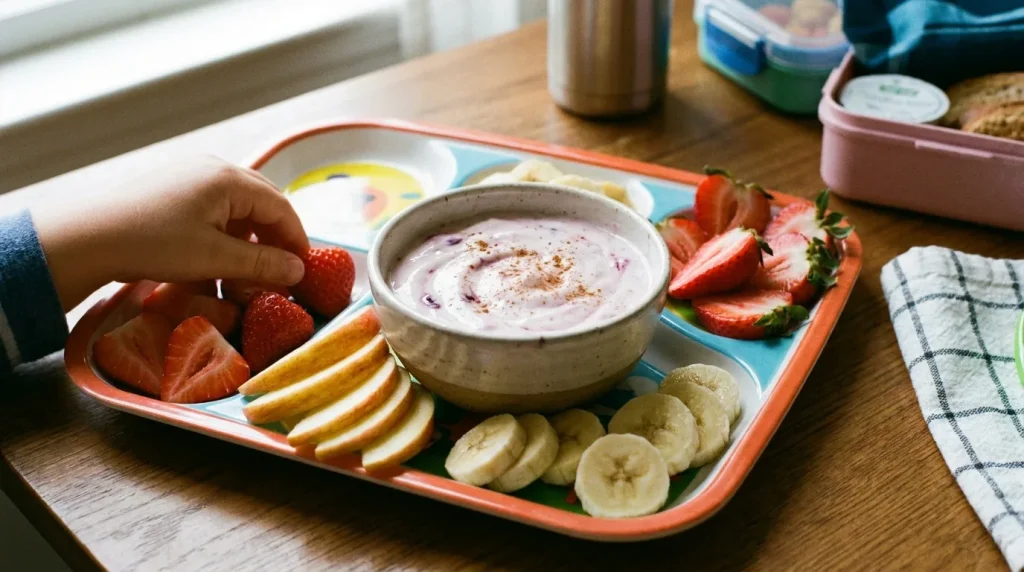
Sugar snap peas, apple slices, and a hard-boiled egg for protein, with hummus or yogurt on the side for dipping. The dip introduces a new texture in a small, optional way rather than forcing it onto the whole plate.
3. Sandwich, Reimagined as “Sushi” or Shapes
If plain bread is the problem, roll deli turkey, cheese, and a thin bread layer into pinwheels, or use a cookie cutter to turn a sandwich into stars and hearts. Kids who reject a “boring” sandwich will often eat the exact same ingredients in a more playful shape.
4. Build-Your-Own Pizza Bites
Pack mini toasted English muffins or naan rounds, a small pot of sauce, shredded mozzarella, and one or two toppings in separate cups. Letting your child assemble it themselves — even cold, to eat as-is — taps into the same “ownership” effect that makes packaged lunch kits so popular.
10. Mini Empanada-Style Pizza Pockets
A shortcut version made with store-bought pizza dough or wonton wrappers, filled with a small amount of cheese and sauce, then baked in batches and frozen. Pull one out the night before, and it thaws by lunchtime. Pair with an avocado crema or ranch dip on the side.
Making These Lunches Work Without Adding to Your Morning
A few practical habits make this list realistic on a Tuesday morning, not just a Pinterest board:
- Batch and freeze. Muffins, mini pizzas, and empanada-style pockets can be made in double batches and frozen individually.
- Pre-portion snacks like crackers, grapes, or cheese cubes into small containers over the weekend.
- Invest in a true compartment-style lunchbox. A bento-style box with separate sections is one of the simplest changes you can make, since it naturally keeps foods from touching and encourages more variety.
- Use the “one new thing” rule. Alongside their safe foods, add one very small portion of something new — a single snap pea, a new cracker — with no pressure to finish it.
When Picky Eating Might Need Extra Support
Most picky eating is a normal, temporary phase of development, not a sign anything is wrong. But it’s worth checking in with your pediatrician or a registered dietitian if your child eats fewer than 20 foods total, will only eat foods of one color, has cut out an entire food group, or if you’re seeing slowed growth — these can be signs of a more significant feeding issue, sometimes referred to as extreme or selective eating, that benefits from professional support. [INTERNAL LINK: “signs picky eating needs professional help” — link to a post on feeding red flags] The CDC also recommends letting kids try foods again and again, since children may need multiple tries before they accept something new (CDC Nutrition).
The Bottom Line
You don’t need a Pinterest-perfect bento box every single day to make progress with a picky eater. What actually moves the needle is consistency: keeping foods separate, offering one small new item alongside old favorites, and letting your child build their own plate whenever possible. Start with two or three of the ideas above this week, and let the rest become your backup list for the mornings you’re running on no coffee and less sleep. Grab The Weekly Lunch Planner Printable
Frequently Asked
How many new foods should I add to a picky eater’s lunch at once?
Stick to one small, optional new food per lunch alongside two or three familiar “safe” items. This keeps the overall lunch low-pressure while still giving your child repeated exposure to something new.
Why does my picky eater refuse foods that touch each other?
Many picky eaters have a genuine sensory response to mixed textures and flavors, not just a preference. A compartment-style or bento box that keeps every food separate often resolves this without any change to the actual ingredients.
What if my picky eater won’t eat the “safe” version of a food either?
Try changing the format instead of the ingredients — cutting a sandwich into shapes, rolling deli meat into “cigars,” or serving pasta plain instead of sauced. The same core food in a new shape is often enough to renew interest.
How long does the picky eating phase typically last?
Picky eating is most common between ages two and six and, for most children, is a normal developmental phase rather than a lasting issue. It generally eases with continued low-pressure exposure and modeling from caregivers.
When should I see a doctor or dietitian about picky eating?
Reach out if your child eats fewer than 20 total foods, eliminates an entire food group, only eats foods of one color, or shows signs of slowed growth. A pediatrician or registered dietitian can rule out underlying issues and offer a tailored plan.
Do bento boxes actually help with picky eating, or is it just presentation?
It’s more than presentation — separating foods into compartments directly addresses the sensory issue of foods touching, and the “build it yourself” format gives kids a sense of control that plain plated meals don’t offer.